Girl Simulator Games:What are girl simulator games and why are they popular?
Q: What are girl simulator games and why are they popular?
A: Girl simulator games are a genre of casual video games that focus on activities traditionally associated with girls, such as fashion, makeup, dating, pregnancy, and life simulation. These games often allow players to customize characters, complete tasks, and make choices that affect the story. They are popular because they offer a fun, creative outlet and a sense of control over virtual lives. Many players enjoy the escapism and the ability to experiment with different identities without real-life consequences. Additionally, the games are often free-to-play with simple mechanics, making them accessible to a wide audience. The genre has a dedicated fanbase, particularly among younger female players, though anyone can enjoy them.
Q: What are some of the most popular girl simulator games available today?
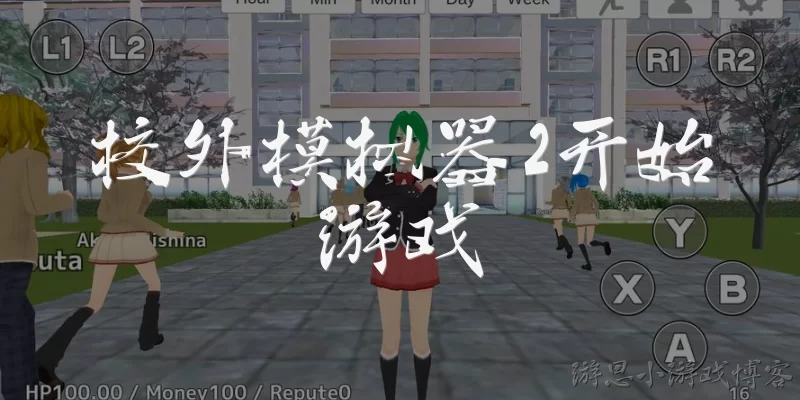
A: Some of the most popular girl simulator games include 'Avatar World', 'Toca Life World', 'Girls Glam', 'Pregnancy Simulator', and 'High School Simulator'. 'Toca Life World' is a sandbox game where players create stories in a diverse city. 'Avatar World' lets you design characters and explore various locations. 'Girls Glam' focuses on fashion and makeup challenges. 'Pregnancy Simulator' allows players to experience the journey of pregnancy and childbirth. 'High School Simulator' lets players navigate school life, make friends, and deal with teenage drama. Many of these games are available on mobile platforms and have millions of downloads. They often receive updates with new content, keeping the experience fresh and engaging for players.
Q: Are girl simulator games suitable for all ages?
A: The suitability of girl simulator games depends on the specific game. Many are designed for children and teenagers, with content that is generally safe and age-appropriate. For example, 'Toca Life World' and 'Avatar World' are rated for all ages and focus on creative play. However, some games may include themes like dating, pregnancy, or fashion that could be more suitable for older players. It's important for parents to check the age rating and content of each game before allowing young children to play. Some games may have in-app purchases or ads, which parents should also monitor. Overall, while many girl simulator games are family-friendly, parental guidance is recommended to ensure the content aligns with the child's maturity level.
Q: Can girl simulator games be educational or beneficial for players?
A: Yes, girl simulator games can offer educational and developmental benefits. They often encourage creativity, as players design characters, outfits, and environments. They can also teach time management and decision-making, as players complete tasks and make choices that affect outcomes. Some games, like pregnancy simulators, can provide a basic understanding of the stages of pregnancy, though they are not a substitute for real education. Social simulation games can help players practice empathy and social skills by interacting with virtual characters. However, it's important to balance game time with other activities. While these games can be fun and mildly educational, they should not replace real-world learning and social interactions. Parents and educators can use them as tools for discussion and creative expression.
Words of experience
Common scenarios of "Girl Simulator Games"
【Alex】 Hey Jamie! I've been hearing a lot about 'girl simulator games' lately. What exactly are they?
【Jamie】 Oh, you mean games like Dress-Up Queen or My Perfect Life? They're simulation games where you manage a character's life, often focusing on fashion, relationships, and daily activities.
【Alex】 Interesting. So are they only about clothes and makeup?
【Jamie】 Not at all! Many include career building, puzzle-solving, and even adventure elements. For example, in 'City Girl Life', you balance a job, social life, and hobbies.
【Alex】 That sounds pretty diverse. Why do you think they're so popular?
【Jamie】 I think it's the escapism and creativity. Players can design their dream life, experiment with styles, and make choices without real-world consequences.
【Alex】 Do they have a target audience? Are they only for girls?
【Jamie】 While marketed towards girls, many boys and adults enjoy them too. The genre is expanding to be more inclusive.
【Alex】 Can you recommend a good one for a beginner?
【Jamie】 Sure! 'Avatar Life' is great for starters. It's free, has a friendly tutorial, and lots of customization options.
【Alex】 I'll check it out. Are there any controversial aspects?
【Jamie】 Some critics say they promote unrealistic beauty standards or materialism, but others argue they empower players to explore identity.
【Alex】 That's a valid point. How do they handle diversity and representation?
【Jamie】 It varies. Some games are praised for inclusive options like different skin tones, body types, and cultural outfits, while others are criticized for lack of diversity.
【Alex】 Do these games have multiplayer features?
【Jamie】 Yes, many have social components where you can visit friends' virtual homes, collaborate on tasks, or compete in fashion shows.
【Alex】 That sounds fun. What about monetization? Are they pay-to-win?
【Jamie】 Often they're free-to-play with in-app purchases for premium items. It can be pay-to-win if you want the best stuff, but you can still enjoy without spending.
【Alex】 I see. What skills can players develop from these games?
【Jamie】 Time management, resource allocation, creativity, and sometimes even coding if you get into game modding. Plus, social skills from interacting with others.
【Alex】 Nice! Are there any educational versions?
【Jamie】 Definitely. Some are designed for career exploration or to teach financial literacy, like 'SimCity Girl' where you manage a budget.
【Alex】 I might give one a try. Thanks for the info, Jamie!
【Jamie】 No problem, Alex! Let me know if you need tips. Have fun!