Papa Pete vs. the Rooster:What is the plot of 'Papa Pete vs. the Rooster'?
Q: What is the plot of 'Papa Pete vs. the Rooster'?
A: The story centers on Papa Pete, a grumpy but good-hearted old farmer who lives alone on a small rural property. His peaceful mornings are shattered by a loud, aggressive rooster that belongs to his neighbor. The rooster crows at dawn, chases Papa Pete's cat, and even pecks at his garden. After several failed attempts to reason with the neighbor, Papa Pete decides to take matters into his own hands. He builds elaborate traps, tries noise-canceling earmuffs, and even attempts to train the rooster. The climax involves a chaotic chase through the barnyard. Ultimately, Papa Pete and the rooster reach an uneasy truce, leading to a humorous and heartwarming resolution about coexistence and unexpected friendship.
Q: Why is the conflict between Papa Pete and the rooster so significant?
A: The conflict represents a classic clash between tradition and disruption. Papa Pete values order, quiet, and his daily routines—symbols of an older, slower way of life. The rooster, with its relentless crowing and territorial behavior, embodies the chaotic, unpredictable aspects of nature and change. Their battle is not just about noise; it's about control, pride, and the refusal to adapt. The significance lies in how their struggle mirrors real-life tensions between neighbors, generations, or humans and wildlife. By the end, both characters are forced to compromise, showing that even the most stubborn opponents can find common ground. The story uses humor to explore deeper themes of patience, empathy, and the need to live alongside forces we cannot dominate.
Q: What are the main themes in 'Papa Pete vs. the Rooster'?
A: The story explores several interwoven themes. First, there is the theme of stubbornness versus adaptability—Papa Pete's rigid ways and the rooster's instinctual behavior highlight how inflexibility leads to conflict. Second, the theme of unlikely friendship emerges as their rivalry gradually transforms into mutual respect. Third, the narrative touches on the human-nature relationship, showing how attempts to control nature often backfire. Fourth, there is a generational theme: Papa Pete's old-fashioned methods contrast with the neighbor's modern indifference, reflecting a broader cultural divide. Finally, the story emphasizes the importance of communication, as the initial failure to talk with the neighbor escalates the problem. These themes are delivered through comedic episodes, making the moral lessons accessible and entertaining for readers of all ages.
Q: Is 'Papa Pete vs. the Rooster' suitable for children?
A: Yes, the story is generally suitable for children, especially those aged six and up. It uses slapstick humor, exaggerated characters, and simple language that appeal to younger audiences. The violence is minimal and cartoonish—no one gets seriously hurt; the traps and chases are played for laughs. The rooster is more of a mischievous troublemaker than a scary villain. Parents should be aware that the story includes mild name-calling and a few scenes of frustration, but these are balanced by positive messages about friendship and problem-solving. The book also offers opportunities for discussing conflict resolution, empathy for animals, and the importance of not giving up. Many teachers use it as a read-aloud to spark conversations about getting along with others, making it both fun and educational for early elementary students.
Words of experience
Common scenarios of "Papa Pete vs. the Rooster"
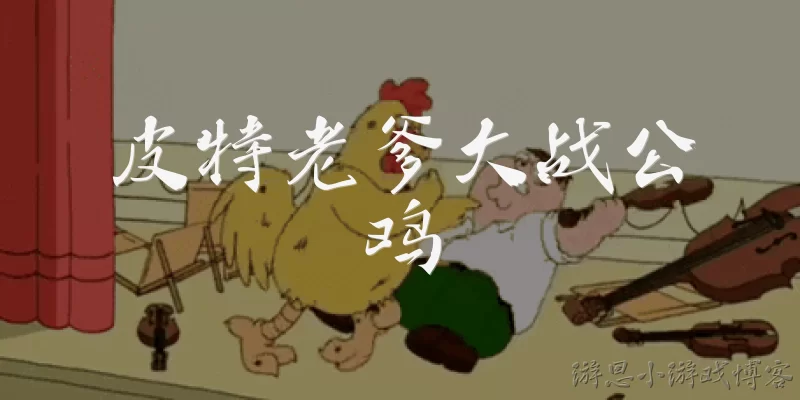
【Narrator】 In a small village, Papa Pete, an old farmer known for his stubbornness, has a long-standing feud with a rooster that crows too early every morning.
【Papa Pete】 That darn rooster! Every morning at 4 AM, it starts its racket. I've had enough!
【Neighbor】 Papa Pete, you've been complaining about that rooster for weeks. Why don't you just get rid of it?
【Papa Pete】 I've tried everything! Shooing it, throwing boots, even playing loud music to drown it out. But it just keeps crowing.
【Rooster】 Cock-a-doodle-doo! (loudly, from the barn)
【Papa Pete】 See? It's like it knows I'm talking about it!
【Neighbor】 Maybe you should try to understand why it crows so early. Roosters crow at dawn, you know.
【Papa Pete】 Dawn? It's still dark! That rooster has no sense of time.
【Rooster】 Cock-a-doodle-doo! (again, even louder)
【Papa Pete】 That's it! I'm going to have a talk with that bird.
【Neighbor】 A talk? Papa Pete, it's a rooster. It won't understand you.
【Papa Pete】 We'll see about that. I'll reason with it.
【Narrator】 Papa Pete marches to the barn and stands face to face with the rooster.
【Papa Pete】 Listen here, you feathered alarm clock. If you crow one more time before 6 AM, I'll... I'll...
【Rooster】 Cock-a-doodle-doo! (defiantly)
【Papa Pete】 You think that's funny? I'll show you!
【Neighbor】 Papa Pete, calm down. Maybe you can just close your windows or wear earplugs.
【Papa Pete】 Earplugs? That's giving in! I won't let that rooster win.
【Rooster】 Cock-a-doodle-doo! (triumphantly, as the sun begins to rise)
【Papa Pete】 Oh, fine. You win this round, rooster. But tomorrow, I'm buying a soundproof tent.